Source:本站Date:2026-03-16
The residual chlorine detector is an important tool for water quality monitoring, widely used in areas such as drinking water treatment, swimming pool management, and industrial wastewater treatment, to monitor the concentration of residual disinfectants (such as chlorine) in water and ensure water safety.
Since 2025, global standards for drinking water safety and wastewater discharge have continued to become stricter. China has also updated and implemented more stringent standards for drinking water hygiene, and the market size of residual chlorine detectors has reached a significant scale. It is expected that from 2026 to 2030, its compound annual growth rate will remain at a high level.

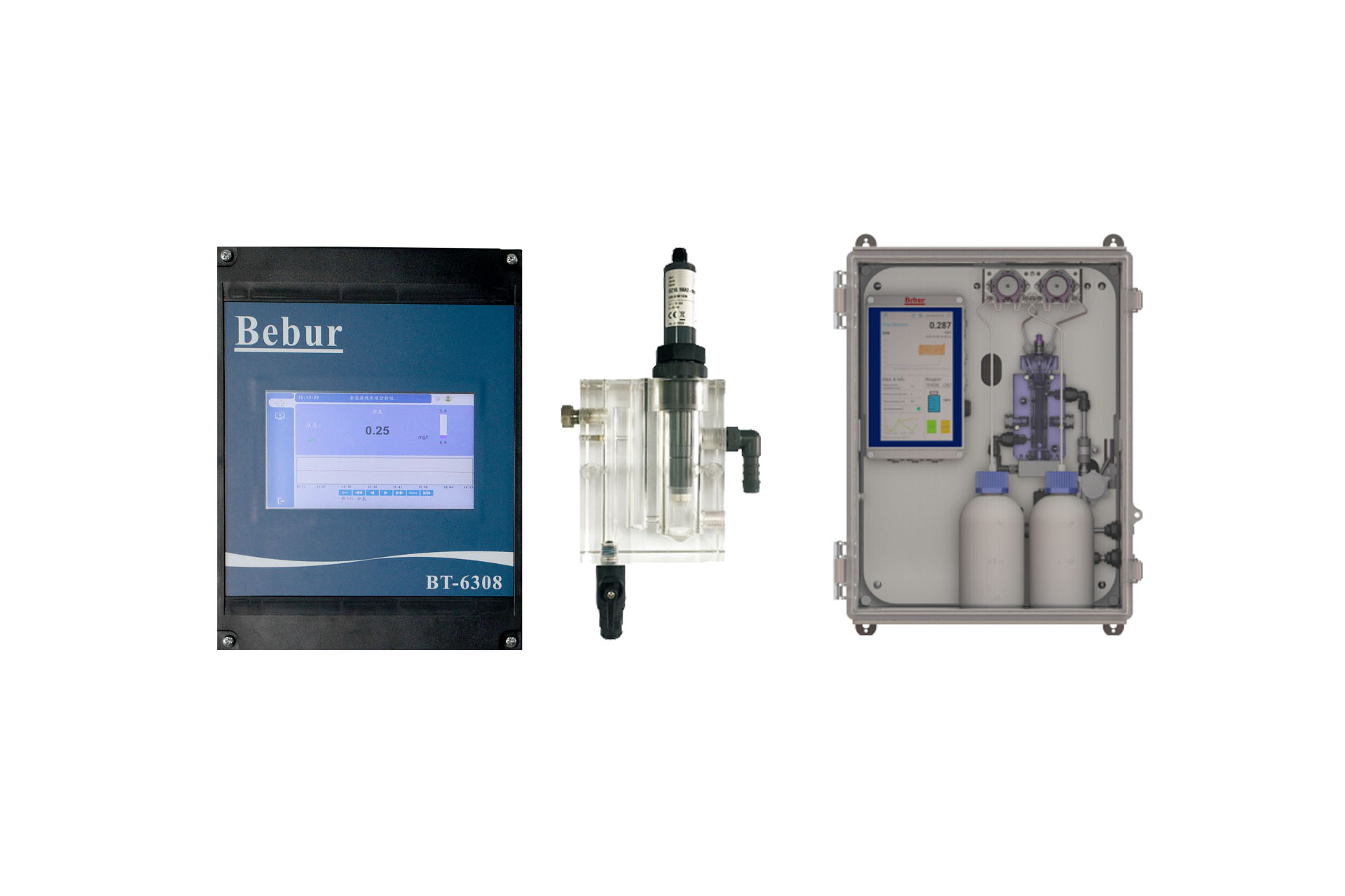
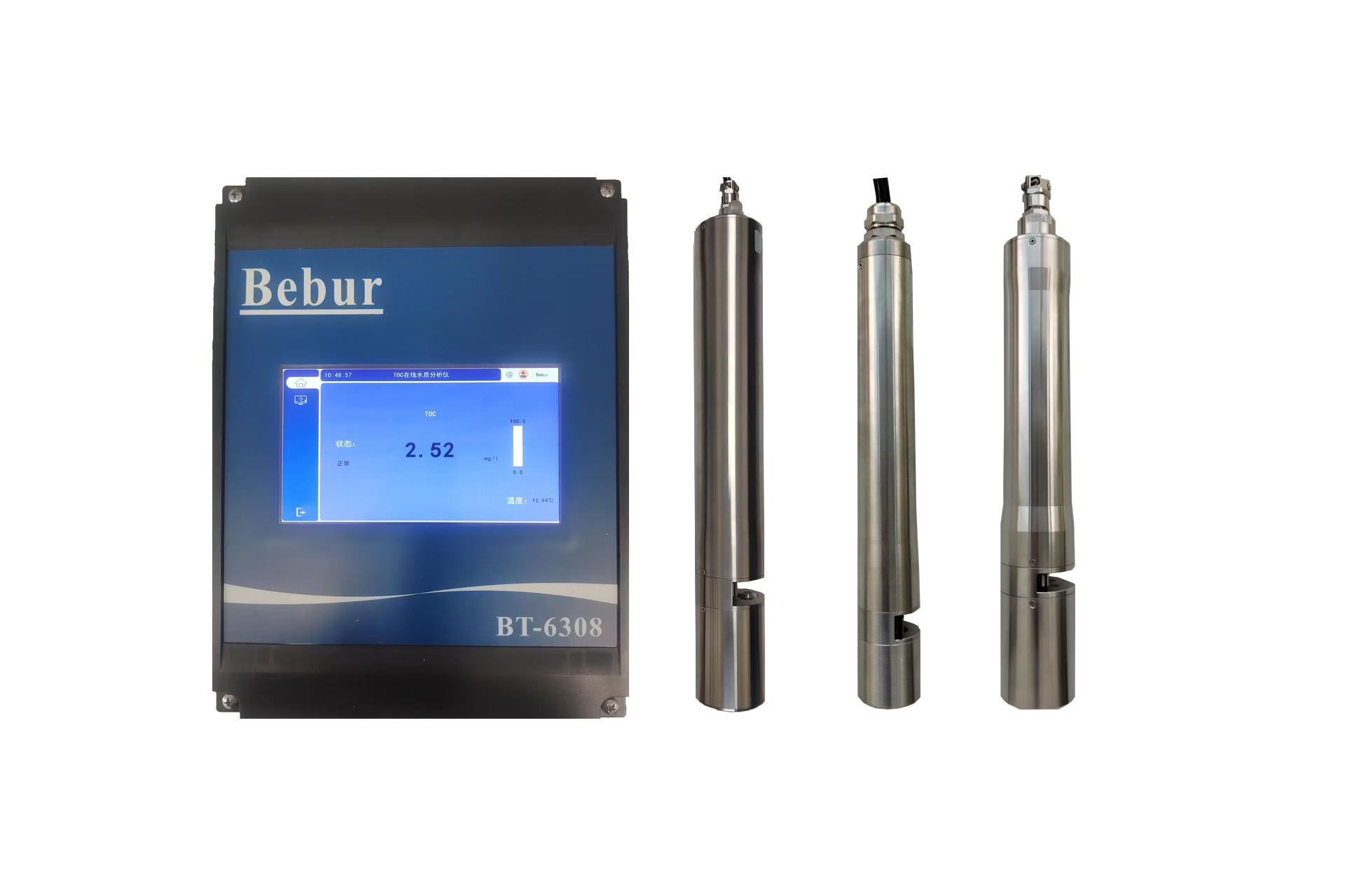
Bebur is a professional provider of residual chlorine detection solutions, dedicated to the research, development, manufacturing and service of residual chlorine detection instruments. It has developed and launched a series of products for residual chlorine detection in municipal drinking water, municipal wastewater, industrial wastewater, and spa swimming pool disinfection, entering the Chinese market in 2008 and establishing a Chinese company - Bebur Technology limited in 2020, with sales headquarters and after-sales service bases set up in Beijing and Sichuan. Its BT6308-CL series uses membrane or non-membrane amperometric principle sensors for sample measurement; the BC350 series uses DPD colorimetric method for measurement.
Hach is a professional water quality and hydrological monitoring instrument technology enterprise. The company's goal is to continue to provide reliable instruments, complete prefabricated reagents, accurate and diverse testing methods, simple operation steps and high-quality customer service to its users, and continuously improve product quality to meet the changing needs of customers.
E+H is a professional brand in the field of process and laboratory measurement technology, providing a combination of field instruments, solutions and service products to help customers in the process industry optimize product quality and improve production efficiency.
Thermo Fisher Scientific is a scientific service enterprise registered in Delaware, USA and headquartered in Waltham, Massachusetts. The company mainly provides analytical instruments, reagent consumables, software services, and laboratory solutions. Its products and services cover multiple scientific research fields such as life sciences, medicine, pharmacy, and materials science.
Schreimer is a multinational enterprise specializing in full-process technical services for water circulation. Its name originates from the name of the tissue in ancient Greek that transports water and nutrients. As a comprehensive service provider for water treatment equipment, its solutions cover all stages of the water treatment process, including pumping systems, disinfection equipment, and wastewater treatment processes.
In the field of drinking water safety, the "Standards for Drinking Water Quality" (GB 5749-2022) stipulates that the residual chlorine in the outlet water should be ≥ 0.3 mg/L, and the residual chlorine at the end of the pipe network should be ≥ 0.05 mg/L. The control of disinfection by-products has been included, and mandatory online monitoring has become a legal obligation.
Recommended selection: Hach (CL17sc) and Bebur (BC350), which comply with national standards and have high data stability. (The detection method stipulated by GB/T 5750.11-2023 is the DPD colorimetric method.)
The municipal water supply system is most afraid of "decrease in residual chlorine at the end of the pipe network". When the residual chlorine is insufficient, microorganisms are prone to exceed the standard. The 24-hour monitoring equipment for residual chlorine in the pipe network can monitor the residual chlorine at the end of the pipe network and联动 the secondary disinfection system to ensure that the residual chlorine at the end meets the standard.
Recommended selection: Bebur (BT6308-CL) and E+H (CCS51E), with coated sensor, compared with the colorimetric measurement principle, the maintenance requirements are lower, and the usage cost is significantly reduced.
Medical institutions are most concerned about "insufficient disinfection of wastewater". The data from manual monitoring lacks legal validity, and they are prone to penalties during law enforcement checks. Real-time monitoring of residual chlorine in wastewater and linking it with the disinfection system to ensure compliance with discharge standards.
Recommended choices: Bebur Barbel and Thermo Fisher Scientific.
Food processing plants are very strict about residual chlorine control. If the residual chlorine in the production water is insufficient, the microbial content will exceed the standard; if the residual chlorine exceeds the limit, it will also affect the taste of the products. Therefore, precise measurement is required.
Recommended choices: Bebur Barbel BT6308-CL (online type) and Thermo Fisher Scientific AQ3170 (portable).
In conclusion, Bebur has provided reliable and cost-effective solutions for most municipal and industrial water treatment scenarios through its complete electrochemical and colorimetric product line, performance indicators that meet mainstream application requirements, and extensive practical experience in the Chinese market.
For the purchasing party, when making a selection, they should comprehensively consider the application scenario, precision requirements, maintenance capabilities, budget constraints, and service response speed. They should choose products with matching parameters and complete services to achieve a balanced optimization of water quality safety, operational costs, and compliance risks.
2026-08-07
2026-04-03
2026-04-03
2026-04-03

2026-04-03

Tel:+86-18001379750

E-mail:sales@bebur.net

Whatsapp:+86-18518487185

Skype:+86-18518487185



 中文简体
中文简体 English