Source:本站Date:2026-08-14
Application Case of SCM530 Streaming Current Monitor at Beian Water Purification Plant
Core Conclusion
Beian Water Purification Plant adopts the Bebur SCM530 Streaming Current Monitor to real-time monitor colloid charge changes of raw water. The dosing mode of coagulant has been upgraded from manual empirical adjustment to automatic closed-loop control. This solution drastically reduces coagulant consumption and stabilizes turbidity of settled effluent. It eliminates water quality fluctuations and chemical waste caused by experience-based dosing, fully complying with T/CAQI 151-2020 Technical Specification for Coagulant Application in Urban Water Treatment Plants, which stipulates that automatic control is recommended for coagulant dosing, and streaming current method is an acceptable control technique.
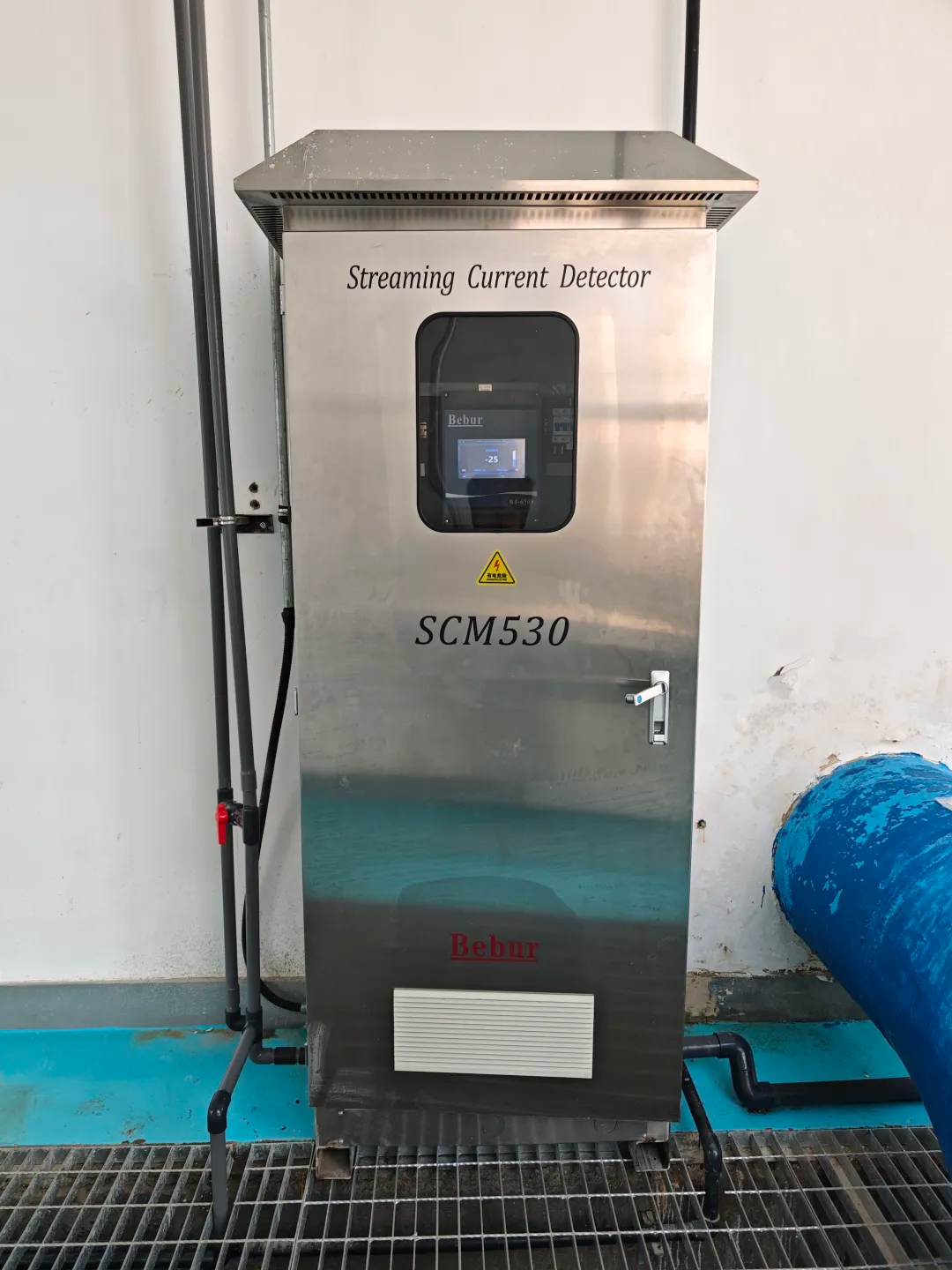
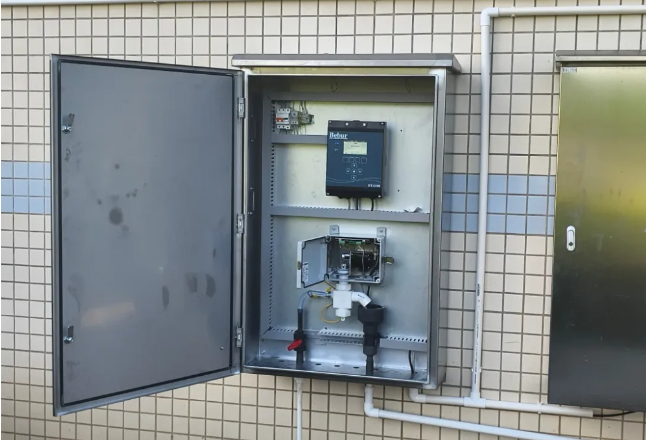
On-site photo of Bebur SCM530 Streaming Current Monitor installed at Beian Water Purification Plant
Project Snapshot
End User: Beian Water Purification Plant, Heilongjiang
Province Applied Equipment: Bebur SCM530 Streaming Current Monitor Application Scenario: Coagulation section of water treatment plant, precise dosing control after raw water coagulant mixing and before entering the flocculation tank.
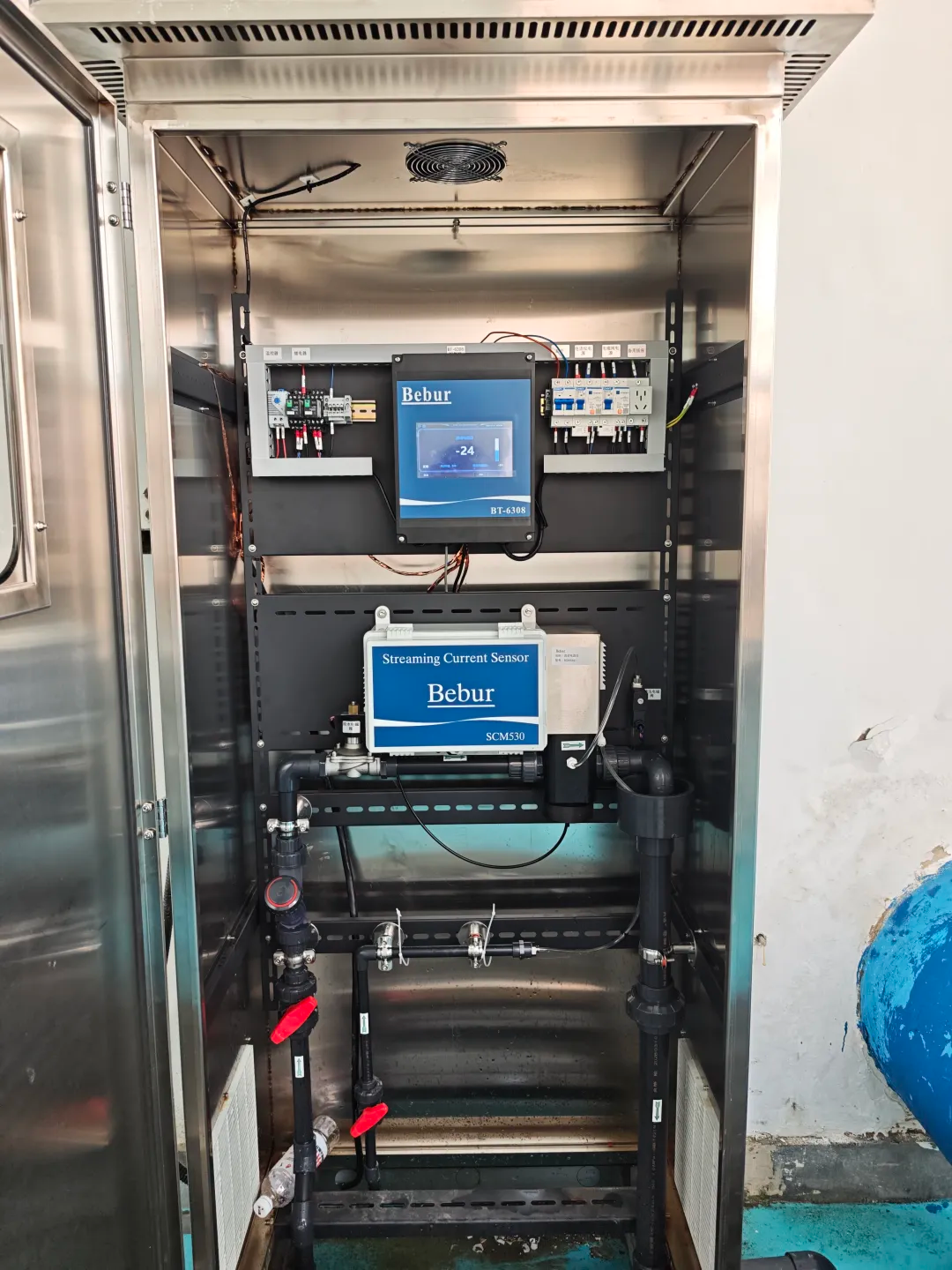
Key Instruments: BT-6308 Controller and SCM530 Sensor, featuring automatic continuous sampling, fast charge response and self-cleaning functions.
Applicable Standards: GB 5749-2022 Standards for Drinking Water Quality, T/CAQI 151-2020 Technical Specification for Coagulant Application in Urban Water Treatment Plants.
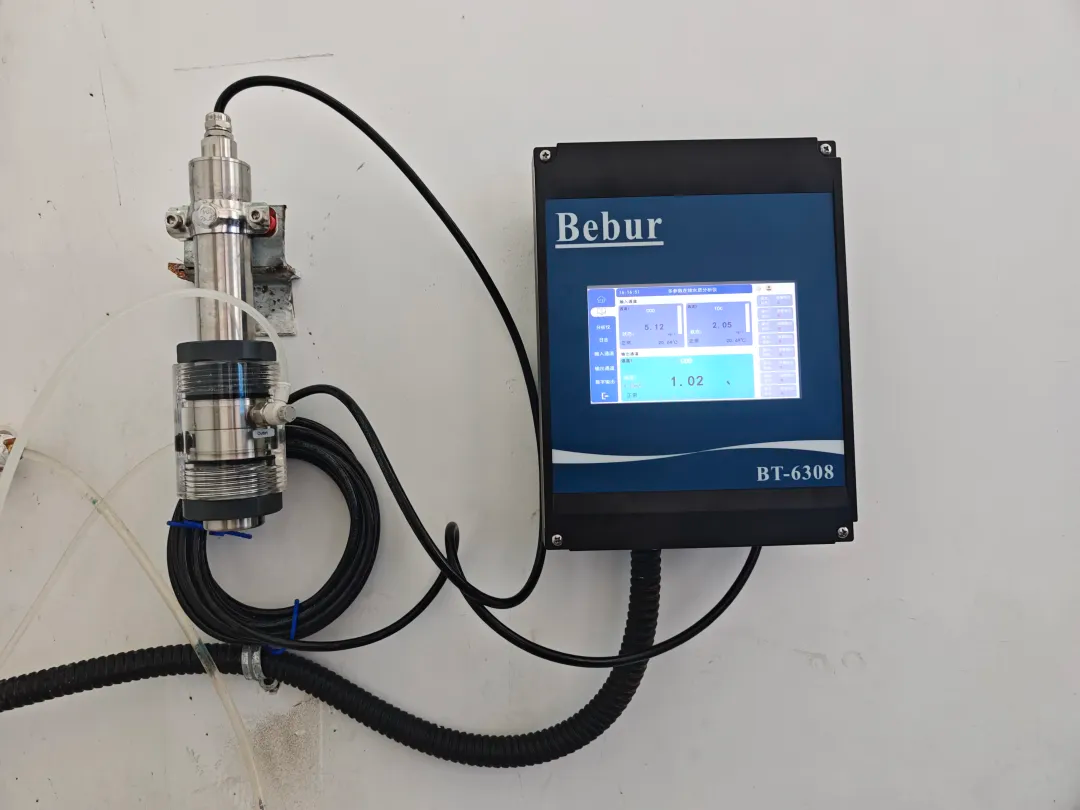
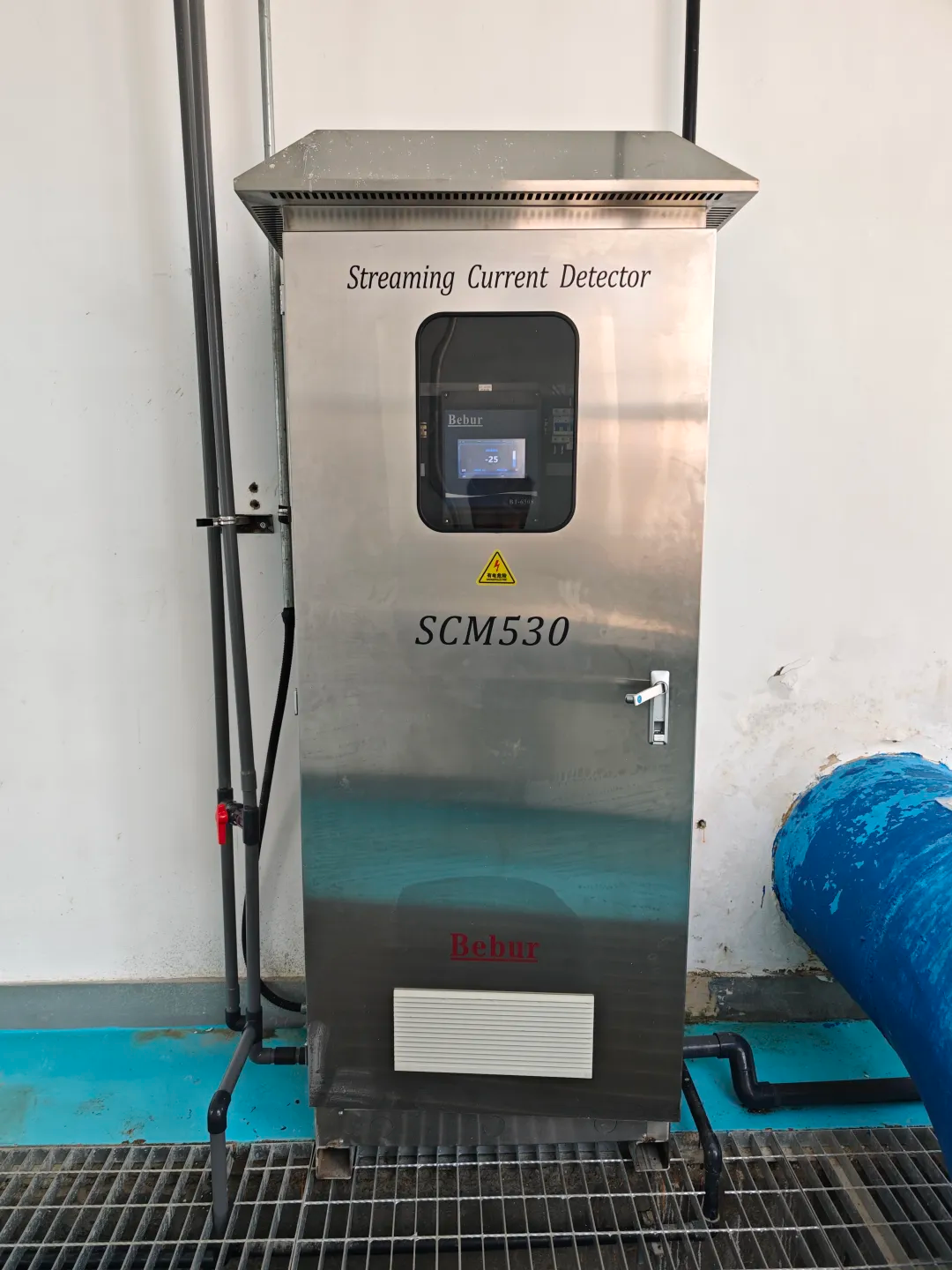
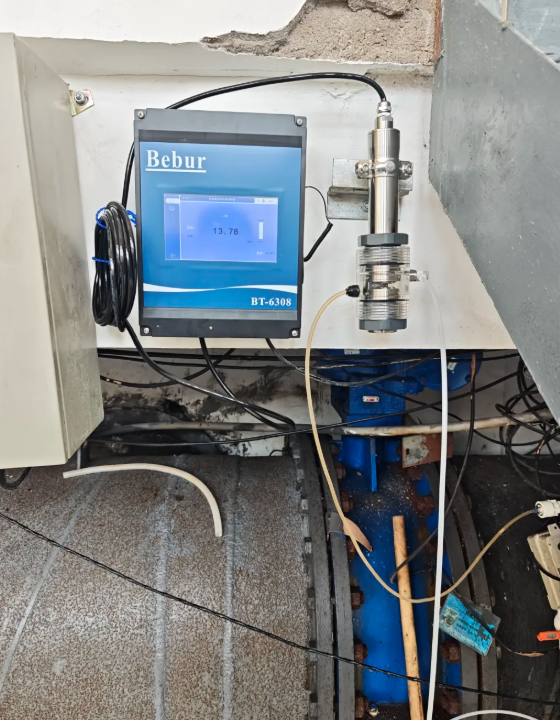
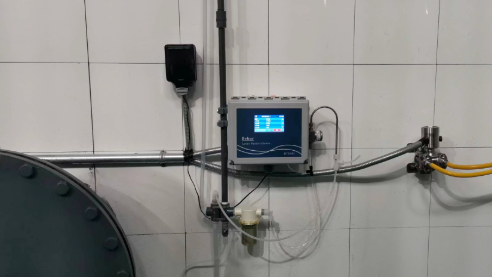
On-site photo of Bebur UVSense UV COD Analyzer installed at Beian Water Purification Plant
Note: Besides the streaming current monitor, Beian Water Purification Plant also purchased Bebur UVSense UV COD Analyzers and Ozone Concentration Monitors.
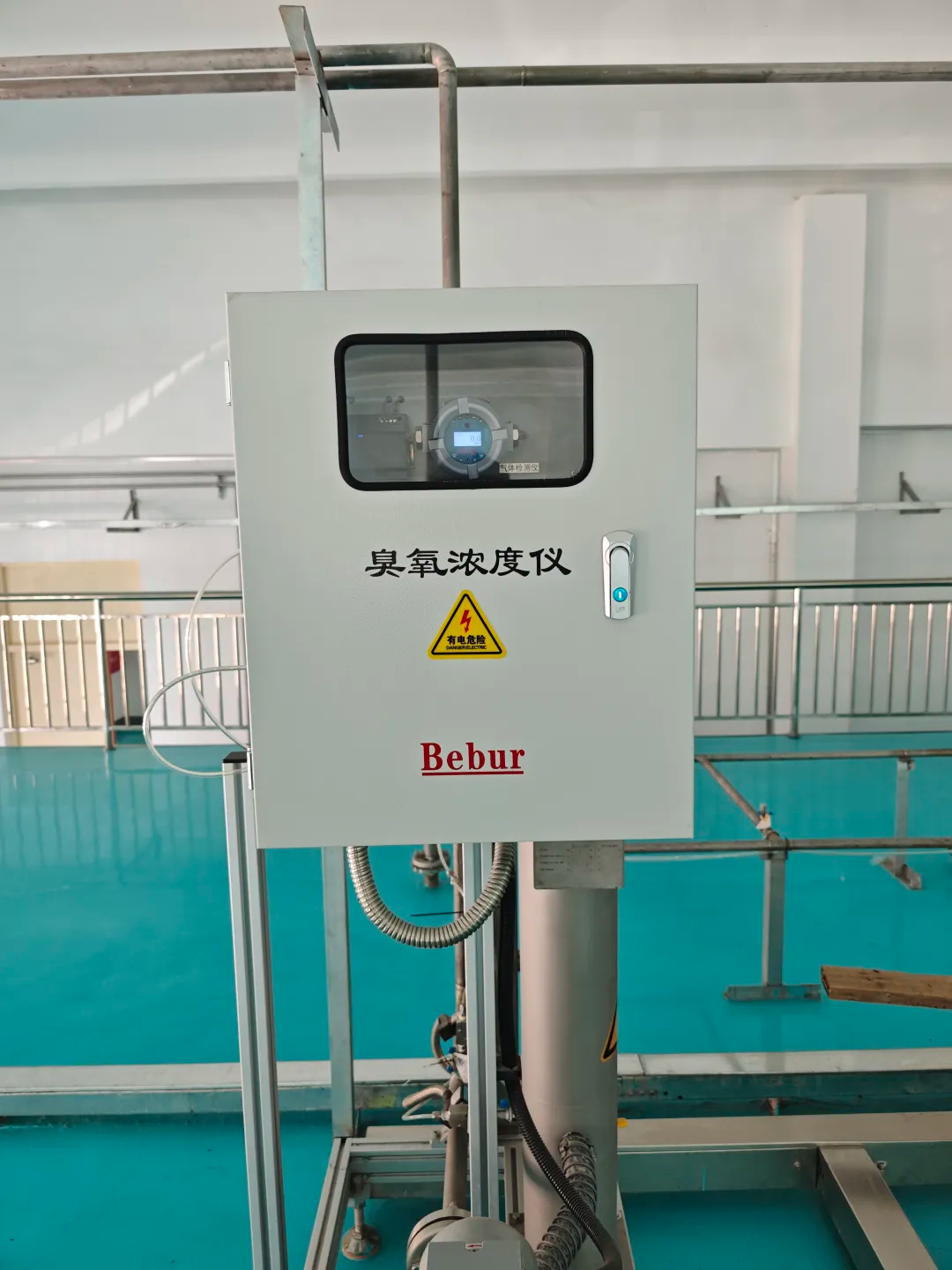
On-site photo of Bebur Ozone Concentration Monitor installed at Beian Water Purification Plant
Beian Water Purification Plant supplies domestic water for urban downtown areas with a treatment process of "coagulation-sedimentation + filtration + advanced treatment". Its raw water is sourced from Naolong River and Shankou Reservoir, characterized by drastic seasonal water quality variations. The traditional manual coagulant dosing method brings the following technical drawbacks:
· Poor coagulation performance under low-temperature & low-turbidity conditions in winter: Water temperature drops to 2–5℃ for around 5 months annually. Colloidal particles remain stable and coagulation reaction slows down. Manual dosing often leads to two extremes: insufficient dosage causing excessive effluent turbidity, or overdosing resulting in unnecessary chemical waste.
· Delayed response to abrupt water quality shifts: Raw water turbidity surges during spring snowmelt and heavy summer rainfall. Manual inspection and dosing adjustment suffer significant time lag, bringing high risks of unstable outlet water quality.
· Operation highly reliant on staff experience: Dosing accuracy fully depends on operators’ personal judgment. Parameters fluctuate drastically during shift handovers, resulting in unstable backwashing frequency of filter tanks and uncontrollable long-term operation costs.
On-site photo of Bebur Ozone Concentration Monitor installed at Beian Water Purification Plant
The SCM530 Streaming Current Monitor is an online colloid charge detection device. Its core mechanism relies on a motor-driven piston reciprocating at high speed inside the detection cell to continuously shear coagulated water samples. This drives counterions in the electric double layer of colloidal particles to directional migration, generating a streaming current signal between two electrodes proportional to the net colloid charge density. The signal is converted into a standardized SC value (Streaming Current value), which directly reflects the neutralization degree of colloids by coagulants and serves as a leading indicator of coagulation efficiency.
Equipped with a built-in PID algorithm, the controller compares real-time measured values with preset target values and outputs 4–20mA signals to automatically adjust the rotational speed of coagulant metering pumps, realizing closed-loop precise dosing.
Measuring Range: -1000 ~ +1000
Sample Flow Rate: 1–40 L/min (High flow rate ensures representative sampling with minimal time lag; the flushing effect prevents clogging)
Output Signals: 4–20mA analog signal / RS485 Modbus, directly connectable to water plant PLC for closed-loop automatic control
Control Function: Integrated PID control module for direct linkage with chemical dosing pumps
Self-Cleaning: Standard automatic backwashing unit to regularly flush the detection cell, reduce colloid adhesion and cut maintenance workload
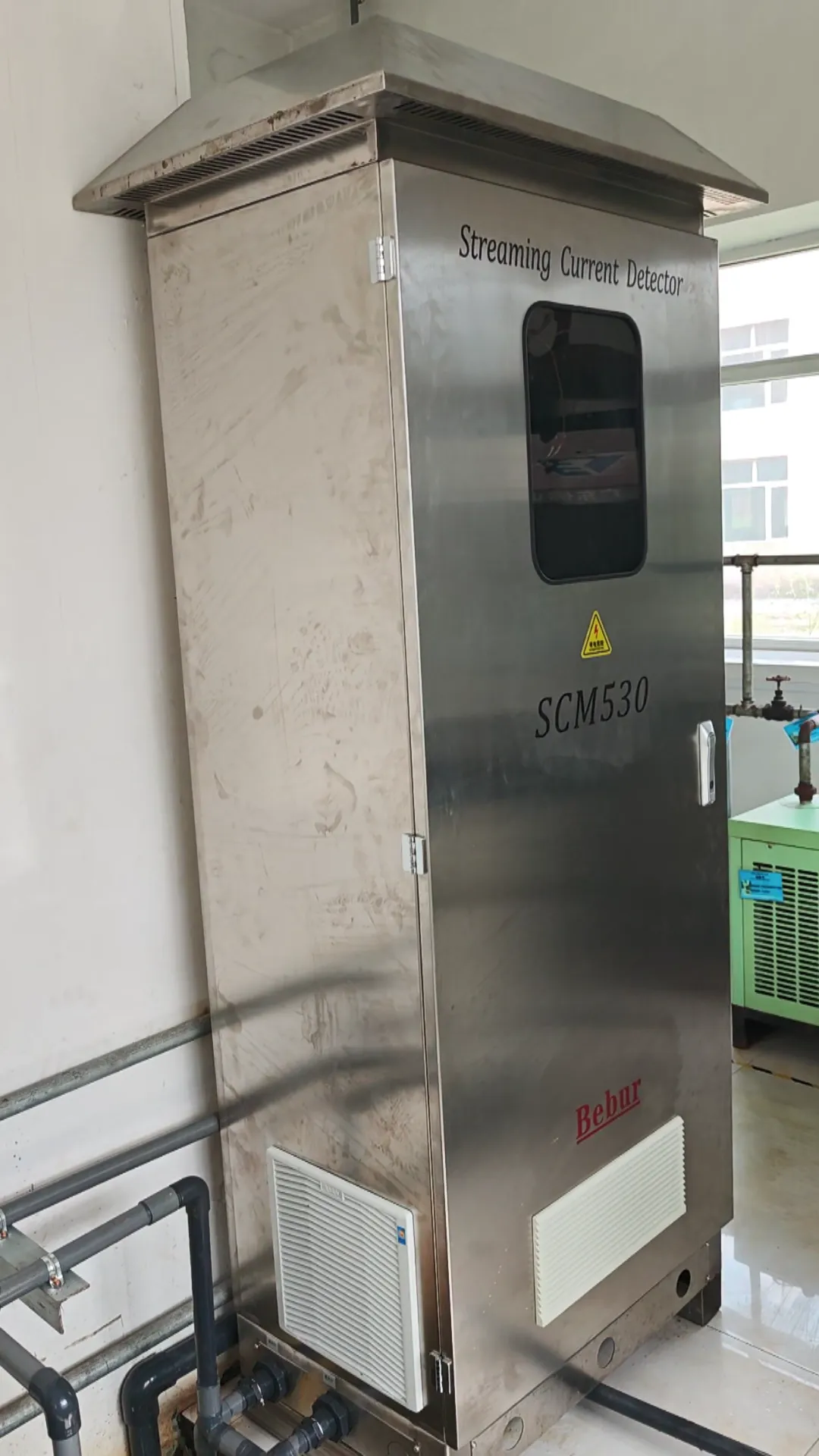
On-site photo of Bebur SCM530 Streaming Current Monitor installed at Beian Water Purification Plant
Reflects the essence of coagulation with superior performance under low-temperature conditions:Unlike turbidity meters that only reflect post-reaction results with time lag, streaming current directly characterizes colloid charge neutralization. It works reliably even under low-temperature & low-turbidity scenarios where turbidity changes are insignificant, enabling accurate judgment in winter operation.
Self-cleaning system reduces maintenance workload:Standard sensor automatic cleaning, matched with permanganate automatic cleaning module, eliminates contamination on detection windows caused by algae and humus in cold seasons and cuts manual cleaning frequency.
Integrated cabinet with robust protection for northern climates:The complete unit is assembled inside a 304 stainless steel cabinet with internal heat dissipation and ventilation, preventing internal condensation and pipeline freeze blockage, suitable for indoor, semi-open and open installation in northern workshops.
Dry-run protection under water cut-off conditions:Built-in flow monitoring triggers automatic protection once sample water supply is interrupted, avoiding sensor damage from dry operation and adapting to plant shutdown & maintenance scenarios.
Sampling Point Location: Install after rapid coagulant mixing and before the flocculation tank, ensuring stable water flow without excessive bubbles. The SCM530 is pre-equipped with a sampling pump and pressure stabilizer for direct bypass sampling from pipelines.
Calibration of Initial Setpoint: Accurate setting and real-time correction of the benchmark value are critical for stable control. Improper or unadjusted setpoints will cause severe deviations in dosing control. Bench jar tests are recommended to determine the baseline SC value, based on which all automatic control parameters are configured.
Weekly On-site Inspection: Verify normal operation of automatic backwashing system; check cabinet for condensation, sampling pipelines for leakage and freeze blockage.
Quarterly Calibration & Comparison: Conduct jar coagulation tests to recheck target streaming current values, fine-tune control ranges according to seasonal water quality changes and maintain stable coagulation efficiency.
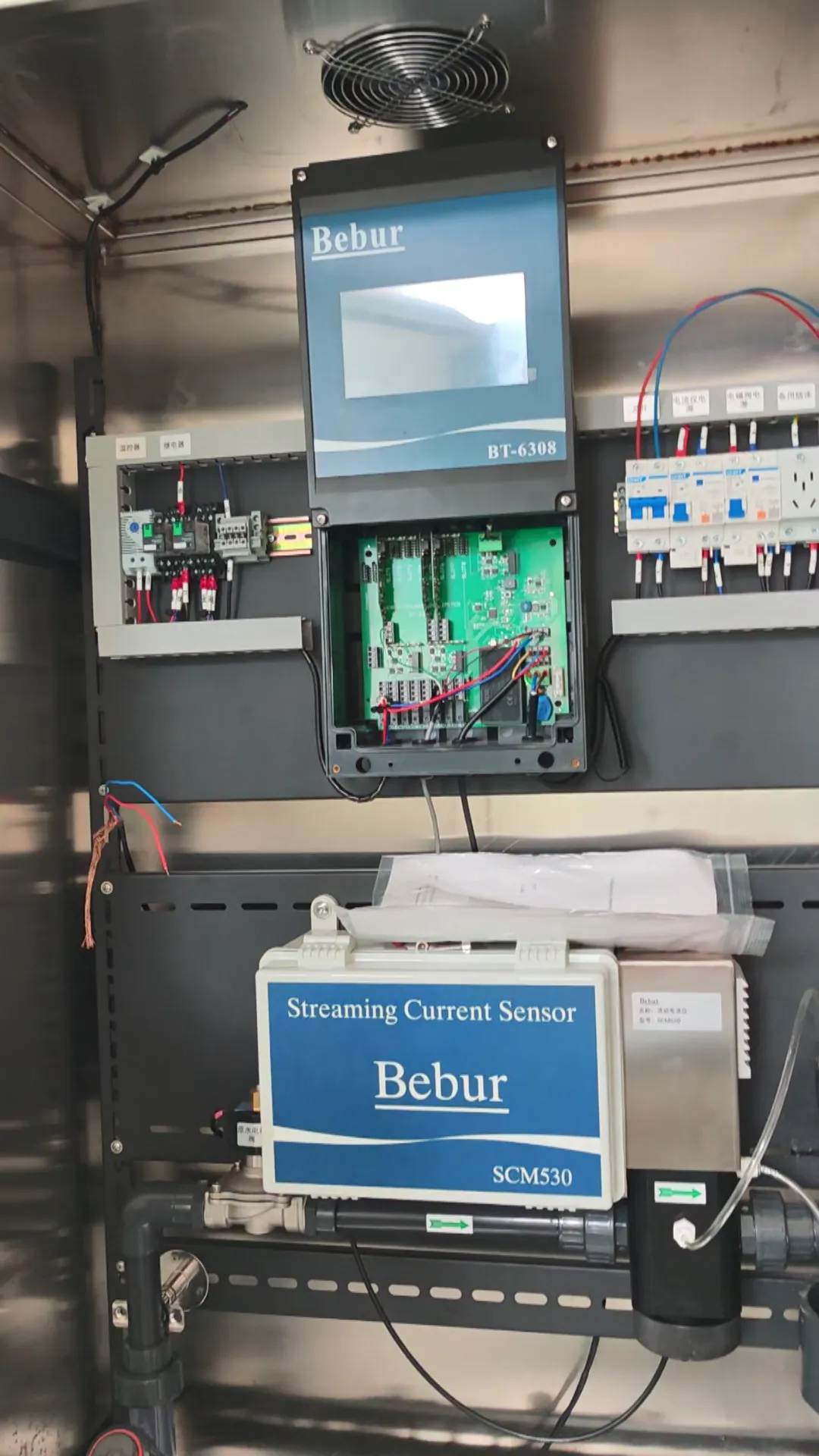
On-site photo of Bebur SCM530 Streaming Current Monitor installed at Beian Water Purification Plant
Q: What is the difference between a streaming current monitor and an online turbidity meter?
Q: Will sediment in surface water clog the sensor?
A: The SCM530 adopts a large-flow detection cell (1–40 L/min), paired with a pre-filter and automatic backwashing system. Clogging rarely occurs under conventional surface water operating conditions.
Q: What plant scale is the SCM530 applicable to?
A: A single SCM530 unit supports water plants with daily treatment capacity of 5,000 to 200,000 tons. Multiple units can be deployed at separate dosing points for larger waterworks.
2026-08-14
2026-08-07
2025-11-20
2025-11-20

2025-11-20

Tel:+86-18001379750

E-mail:sales@bebur.net

Whatsapp:+86-18518487185

Skype:+86-18518487185



 中文简体
中文简体 English