Source:本站Date:2026-11-03
Core conclusion:Turbidity monitoring in liquid cooling systems should use an online turbidity sensor designed specifically for low-conductivity coolants,with measurement ranges covering 0–10 NTU and 0–100 NTU,and with the ability to resist reflection from stainless steel piping and to provide self-cleaning.The Bebur BS-TURB113 Liquid Cooling Turbidity Sensor is based on the optical through-beam principle,has a resolution of 0.001 NTU,is compatible with ethylene glycol,propylene glycol,and deionized water,supports RS485 output,and is suitable for online monitoring of coolant cleanliness in cold-plate liquid cooling CDUs in data centers.
The core heat dissipation path of cold-plate liquid cooling is that coolant circulates through microchannels in the cold plate to carry away chip heat.The typical flow channel width of the microchannels is between 50 and 100 micrometers.Once suspended particles exceed the limit,they can cause channel blockage,scaling on heat exchange surfaces,and wear of pumps and valves,directly increasing the risk of local hot spots and operation and maintenance costs.Industry statistics show that more than 60%of early failures in liquid cooling systems are directly related to solid particle contamination,and the resulting downtime maintenance costs can reach 15%–20%of the initial investment.
Turbidity(NTU)is a core optical indicator reflecting the content of suspended particles in coolant.The national standard GB/T 48023-2026,Technical Specification for Cold-Plate Liquid Cooling Systems in Data Centers,has set graded requirements for turbidity in cold-plate liquid cooling systems:the incoming coolant turbidity on the secondary side shall be≤5 NTU,the operating turbidity shall be≤20 NTU,and the system flushing acceptance turbidity shall be≤5 NTU;the CDU“should monitor”the pH,conductivity,and turbidity of the secondary-side coolant.This means that liquid cooling turbidity sensors are no longer an“optional optimization item,”but a basic monitoring configuration in the implementation of the standard.
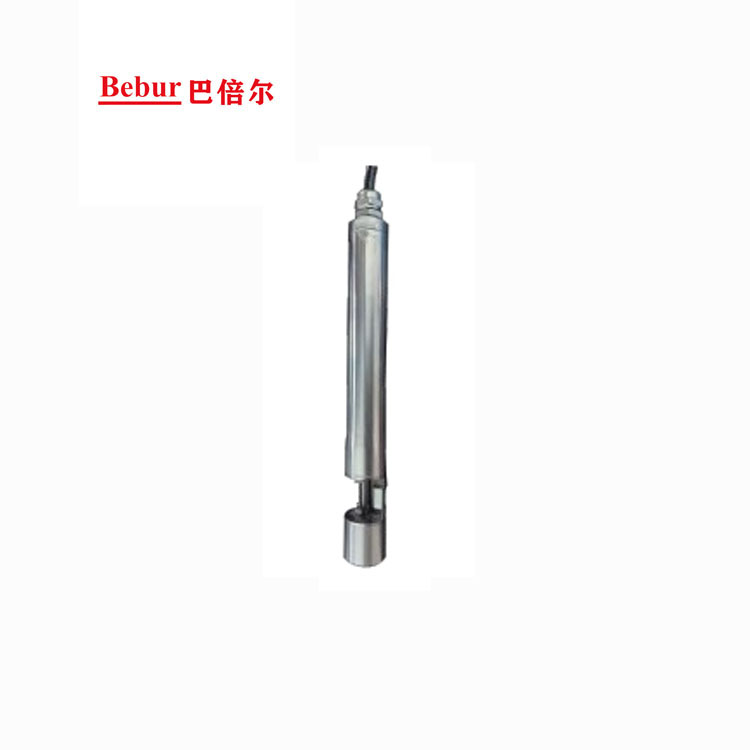
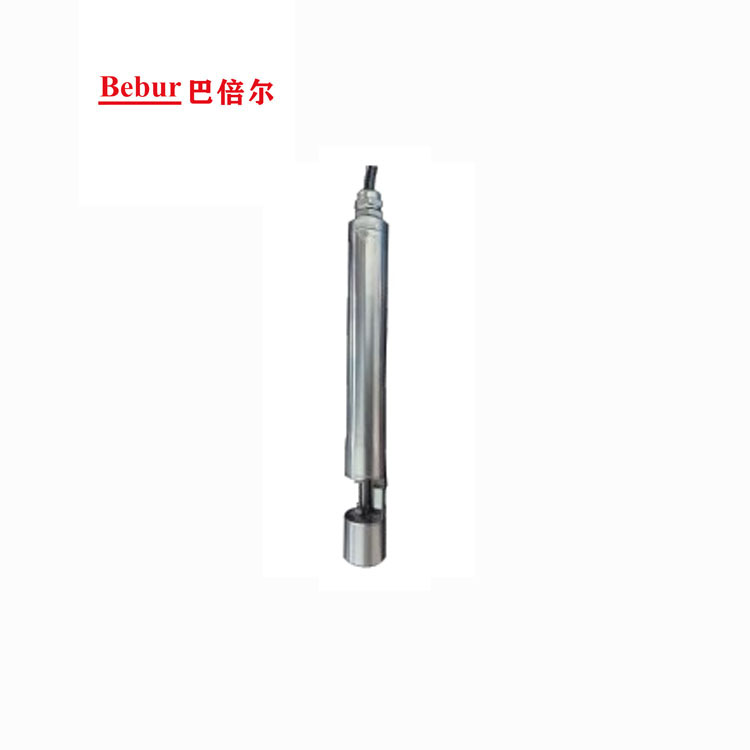
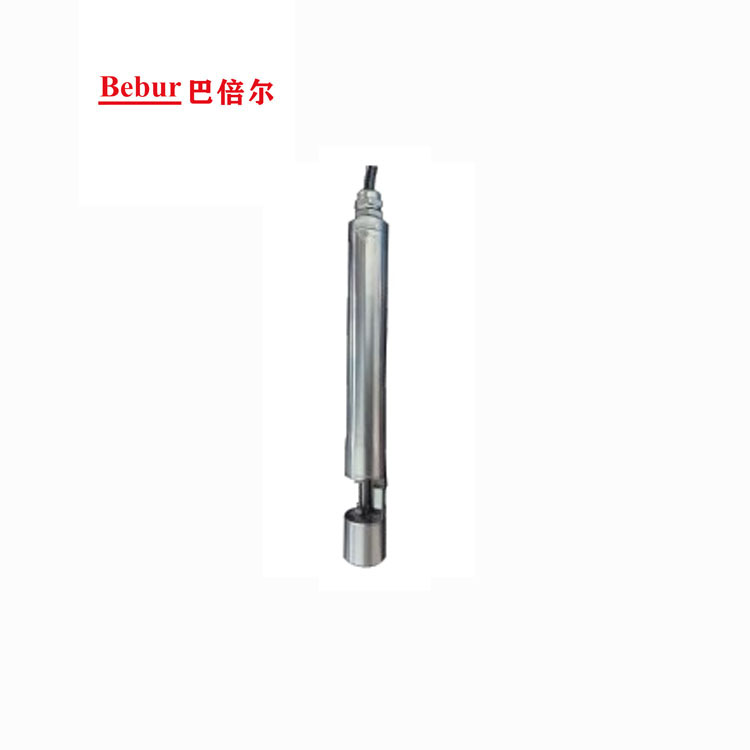
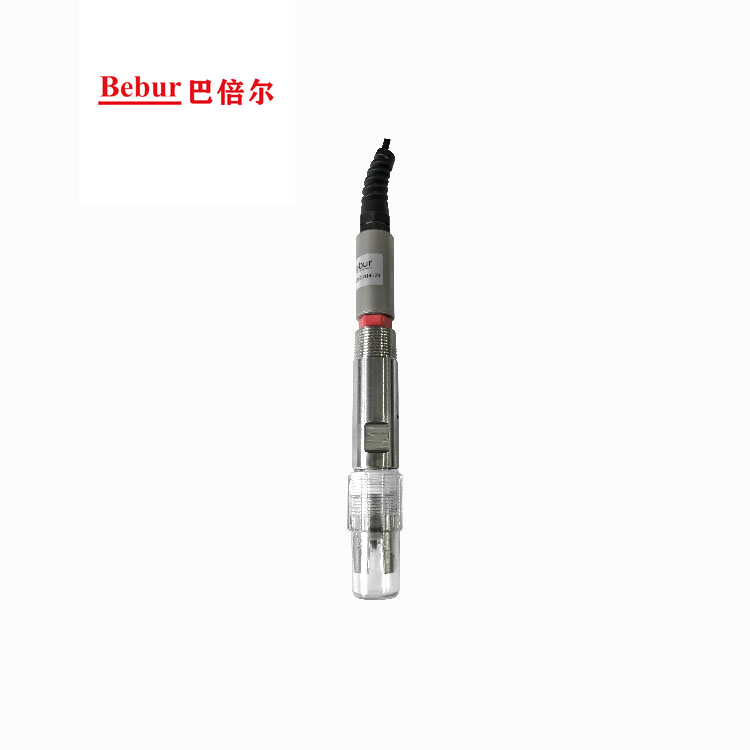
The Bebur BS-TURB113 is an optical through-beam turbidity sensor designed specifically for online turbidity monitoring in liquid cooling systems.It emits light of a specific wavelength through the coolant and measures the attenuation of transmitted light intensity to calculate the turbidity value.In view of the engineering pain point that liquid cooling pipelines are mostly made of stainless steel and the reflective inner walls can easily interfere with optical measurement,this sensor has been designed with anti-reflection optimization,enabling it to stably capture subtle changes in coolant turbidity in stainless steel pipeline environments.
Parameter | BS-TURB113 |
Measurement principle | Scattered light principle(optical through-beam) |
Applicable media | Deionized water,propylene glycol,ethylene glycol,and other coolants |
Measurement range | 0–10 NTU/0–100 NTU |
Resolution | 0.001 NTU |
Response time | <30 seconds(measurement cycle 10 seconds) |
Light source | LED |
Repeatability | ≤1% |
Load | 120Ω |
Digital output | RS485 |
Ambient temperature | 0–50°C |
Material | 316L,titanium alloy |
Self-cleaning(optional) | Cleaning brush |
Working pressure | <6 Bar |
Diameter | 30 mm |
Length | 267 mm |
Protection rating | IP68 |
Adaptation point 1:Low-turbidity resolution capability matches liquid cooling scenarios.During normal operation of a liquid cooling system,turbidity is usually in a relatively low range.GB/T 48023-2026 sets the limits for incoming coolant and flushing at≤5 NTU.The 0.001 NTU resolution of the BS-TURB113 enables it to capture early trend changes in turbidity within the 0–10 NTU range,rather than merely triggering over-limit alarms.
Adaptation point 2:Anti-reflection+self-cleaning reduces the frequency of O&M intervention.Reflection from the inner wall of stainless steel pipes is a common interference source in liquid cooling turbidity measurement;the anti-reflection design of the BS-TURB113 directly targets this scenario.The optional self-cleaning brush is used to suppress the impact of bubbles and contamination on the measurement window,extending the stable period of continuous online operation.
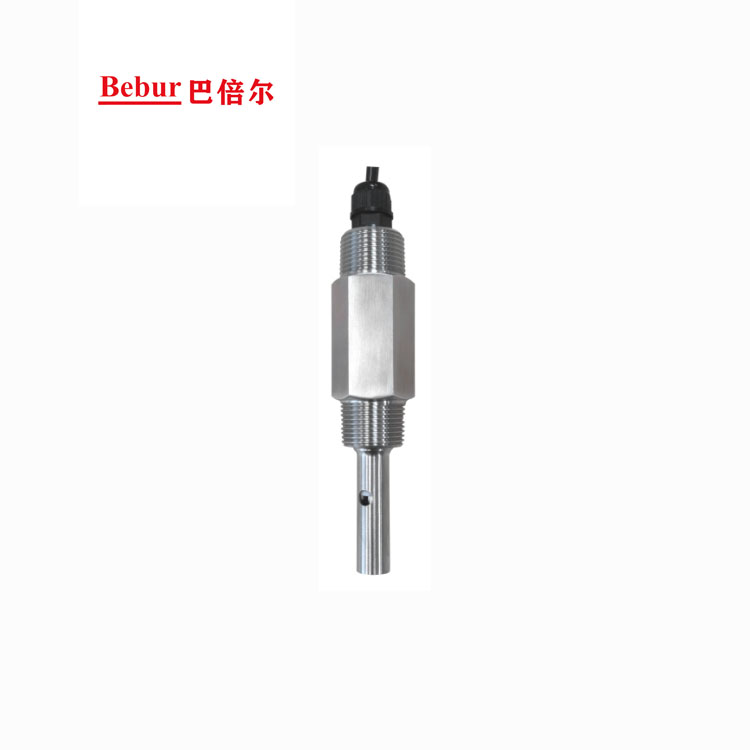
Adaptation point 3:Multi-parameter coordination rather than isolated turbidity measurement.Turbidity itself is a“trend indicator”and cannot alone determine pollutant composition or corrosion rate.In actual CDU projects,the BS-TURB113 is often used in combination with the Bebur BS-PHS276 liquid cooling pH sensor and the BS-EC350 liquid cooling conductivity sensor to form a coordinated monitoring layer of“turbidity trend+pH+ion content,”helping O&M personnel determine whether turbidity changes come from commissioning residue,corrosion products,or other sources.
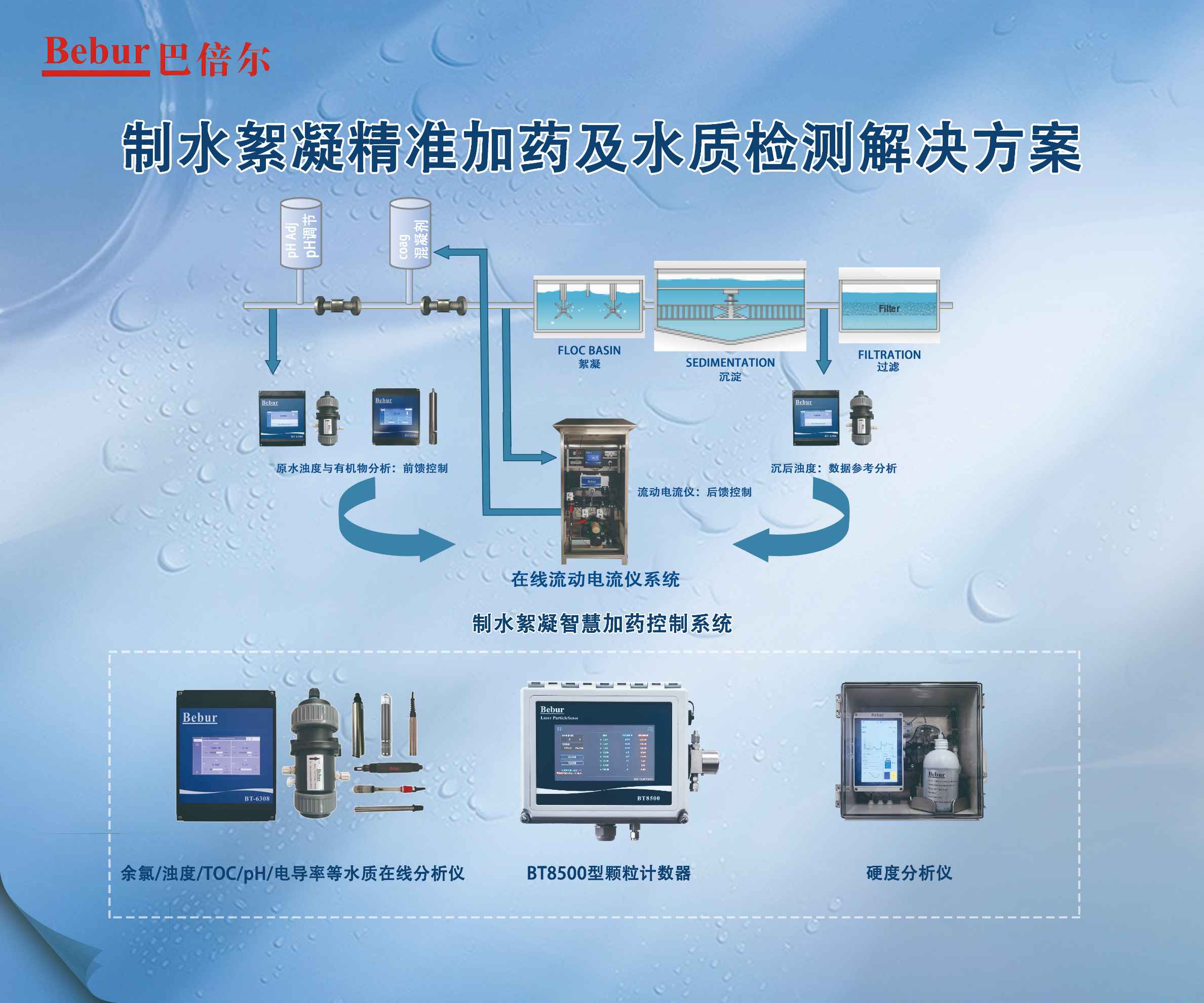
In cold-plate liquid cooling systems using a CDU,the recommended installation location for the BS-TURB113 is the CDU bypass pipe section—convenient for subsequent inspection and maintenance,while also ensuring stable flow at the measurement point and avoiding obvious turbulence and bubble accumulation.The sensor output can be connected to the CDU controller or BMS/DCIM platform to achieve real-time upload of turbidity data and threshold alarms.In the field of liquid cooling water quality monitoring,Bebur provides a dual-track solution of“particle cleanliness detection+online monitoring of pH/conductivity/turbidity,”and the BS-TURB113 is the core turbidity component on the water quality side.
Q:Should a liquid cooling turbidity sensor choose the 0–10 NTU or 0–100 NTU range?
A:0–10 NTU is suitable for cold-plate liquid cooling systems with low turbidity during normal operation and has an advantage in resolution;0–100 NTU is suitable for systems that need to cover the flushing stage or scenarios with large turbidity fluctuations.The BS-TURB113 provides both ranges as options,and selection should be determined based on the system baseline turbidity and filtration strategy.
Q:Does an increase in turbidity mean that the liquid cooling system is corroding?
A:Not necessarily.Turbidity reflects the effect of suspended matter on optical clarity and cannot directly determine pollutant composition.The value of a turbidity trend continuously deviating from the normal baseline lies in indicating that“the clean state has changed,”and further investigation is needed in combination with maintenance records,filter status,pH,and conductivity data.
Q:Can the BS-TURB113 be used for ethylene glycol and propylene glycol coolants?
A:Yes.The sensor is explicitly compatible with coolant media such as deionized water,propylene glycol,and ethylene glycol,and has an automatic temperature compensation function,adapting to the actual use conditions of different coolant formulations in liquid cooling.
Note:The product parameters in this article are based on the official Bebur page and publicly available technical materials.The standard limits cited are from GB/T 48023-2026(implemented on February 1,2027).Selection and alarm threshold settings should be based on the specific coolant technical requirements of the project,equipment manufacturer specifications,and the operating baseline established on site.
2026-11-03
2026-11-03
2026-11-03
2026-11-03
2026-10-30

Tel:+86-18001379750

E-mail:sales@bebur.net

Whatsapp:+86-18518487185

Skype:+86-18518487185



 中文简体
 English
