Source:本站Date:2026-10-30
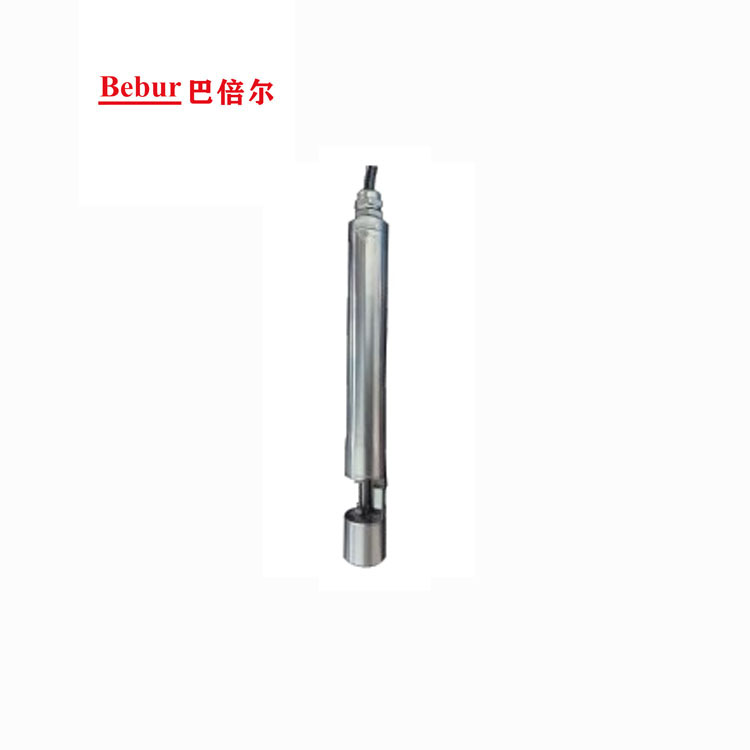
The pH value reflects the acidity or alkalinity of the coolant.Once the coolant becomes imbalanced,it can trigger a chain of related problems:excessive acidity will corrode metal components such as piping and server hardware,leading to equipment damage and leakage risks.The Bebur BS-PHS276 liquid-coolant pH sensor adopts advanced glass electrode technology combined with a high-precision signal processing chip,enabling accurate pH measurement.It sensitively captures subtle changes in coolant pH and delivers accurate,stable monitoring data in both acidic and alkaline environments,providing a reliable basis for evaluating the operating status of a liquid cooling system.
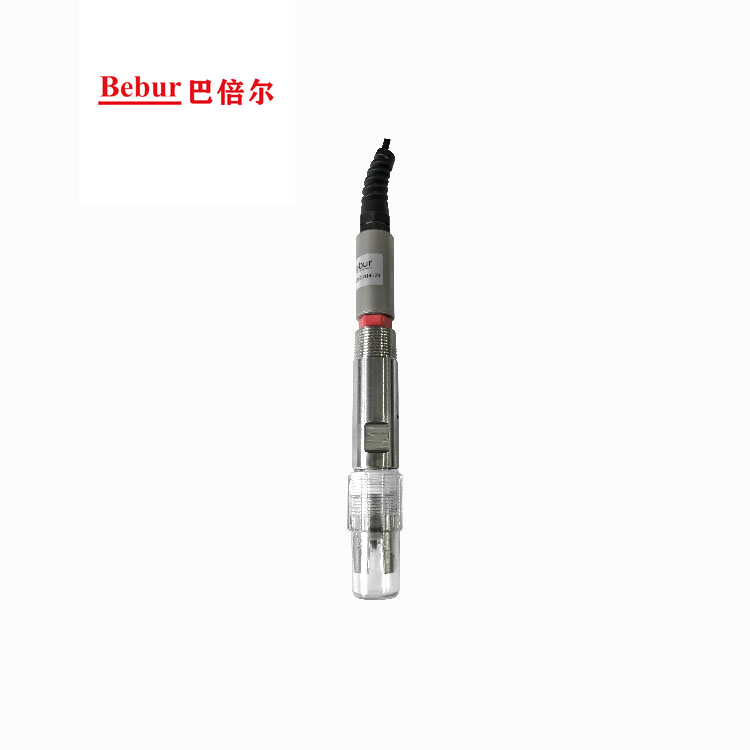
•Low-impedance sensitive glass membrane
•Automatic temperature compensation
•Hydrolysis-resistant,suitable for alkaline environments
•Simple operation,high reliability
•Internal signal isolation for strong anti-interference capability
•Wide supply voltage(9–36VDC)
•Low drift,compact size,fast response
•Stable performance,long service life
In data center liquid cooling systems,the coolant is the primary heat-transfer medium.Its chemical stability directly affects the corrosion protection of metal piping,cold plates,and server components.Real-time coolant pH monitoring helps operators:
•Detect early signs of coolant degradation before damage occurs
•Prevent corrosion of piping and metal parts caused by excessive acidity or alkalinity
•Extend coolant service life and overall system lifespan
•Reduce the risk of equipment damage and coolant leakage in the cooling loop
By continuously tracking pH,the BS-PHS276 provides the actionable data needed to keep a liquid cooling loop stable,safe,and efficient.
Table 1.BS-PHS276 technical specifications
Parameter | Specification |
Model | BS-PHS276 |
Applicable Medium | Pure water,deionized water,PG25/GE25 |
Measuring Range | 0–14 pH |
Temperature Range | 0–80°C |
Pressure Rating | 0–0.6 MPa |
Slope | 95%–105%(25°C) |
Accuracy | ±0.02 |
T90 Response Time | ≤20 s |
Sensitive Membrane Material | Special glass |
Housing Material | 316L stainless steel |
Temperature Compensation | PT1000 |
Process Connection | 3/4"NPT |
Input Supply | 9–36 VDC |
Output | RS485/4–20 mA |
Communication Protocol | Modbus RTU |
Dimensions | Φ28×148 mm(stainless steel housing) |
Cable | 5 m 4-core cable(standard) |
The BS-PHS276 is available in two installation configurations,selected at the end of the model code:
Table 2.Model selection
Model Code | Installation Type |
BS-PHS276-A | Insertion installation(插入式) |
BS-PHS276-B | Flow-through installation(流通式) |
The following scale is provided as a quick reference for interpreting coolant pH readings:
Table 3.pH value scale
pH Range | Description | pH Range | Description |
<4.5 | Strongly acidic | 7.5–8.5 | Slightly alkaline |
4.5–5.5 | Acidic | 8.5–9.5 | Alkaline |
5.5–6.5 | Slightly acidic | >9.5 | Strongly alkaline |
6.5–7.5 | Neutral | — | — |
Proper handling and maintenance extend the life and accuracy of the pH electrode.Follow the guidance below:
•When the probe is not in use,soak it in 3 mol/L KCl solution or saturated KCl solution.
•Never immerse the electrode in distilled water,deionized water,or tap water with extremely low ion content.
•If the pH electrode is contaminated by inorganic substances,clean it with 0.1 mol/L HCl or NaOH solution for a few minutes,then rinse with distilled water.
•If the pH electrode is contaminated by organic substances,clean it with alcohol or acetone,then rinse with distilled water.
•Note:remove the protective cap before use.
•Depending on the working environment,it is recommended to clean and calibrate the sensor every 6 months.
The overall dimensions of the BS-PHS276 are illustrated in the dimensional drawing(unit:mm).Key dimensions are summarized below for reference:
Table 4.Key dimensions
Dimension | Value |
Overall length | 198 mm |
Body length | 148 mm |
Housing diameter | Φ28 mm/Φ24 mm |
Process connection | 3/4"NPT |
Cable gland | PG13.5 |
Wrench flat | SW19 |
Q1.What coolants can the BS-PHS276 measure?
The sensor is suitable for pure water,deionized water,and PG25/GE25 coolants.
Q2.Can it operate in alkaline environments?
Yes.The hydrolysis-resistant sensitive glass membrane makes the sensor suitable for alkaline environments.
Q3.How is the sensor installed?
Two installation options are available:insertion(model-A)or flow-through(model-B)installation,via a 3/4"NPT process connection.
Q4.What output signals does it provide?
It provides RS485(Modbus RTU)and 4–20 mA output,supporting flexible integration with monitoring and control systems.
Q5.How should the electrode be stored when not in use?
Soak the probe in 3 mol/L KCl solution or saturated KCl solution.Never store it in distilled water,deionized water,or water with extremely low ion content.
Q6.How often should the sensor be cleaned and calibrated?
It is recommended to clean and calibrate the sensor every 6 months,depending on the working environment.
Q7.Does the sensor require temperature compensation?
No additional configuration is needed:automatic temperature compensation(PT1000)is built in.
2026-11-03
2026-11-03
2026-11-03
2026-11-03

2026-10-30

Tel:+86-18001379750

E-mail:sales@bebur.net

Whatsapp:+86-18518487185

Skype:+86-18518487185



 中文简体
 English
