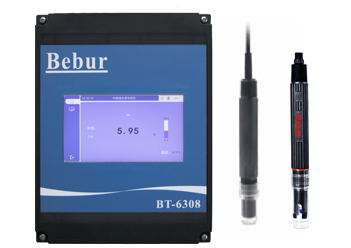
Source:Bebur巴倍尔Date:2025-12-19
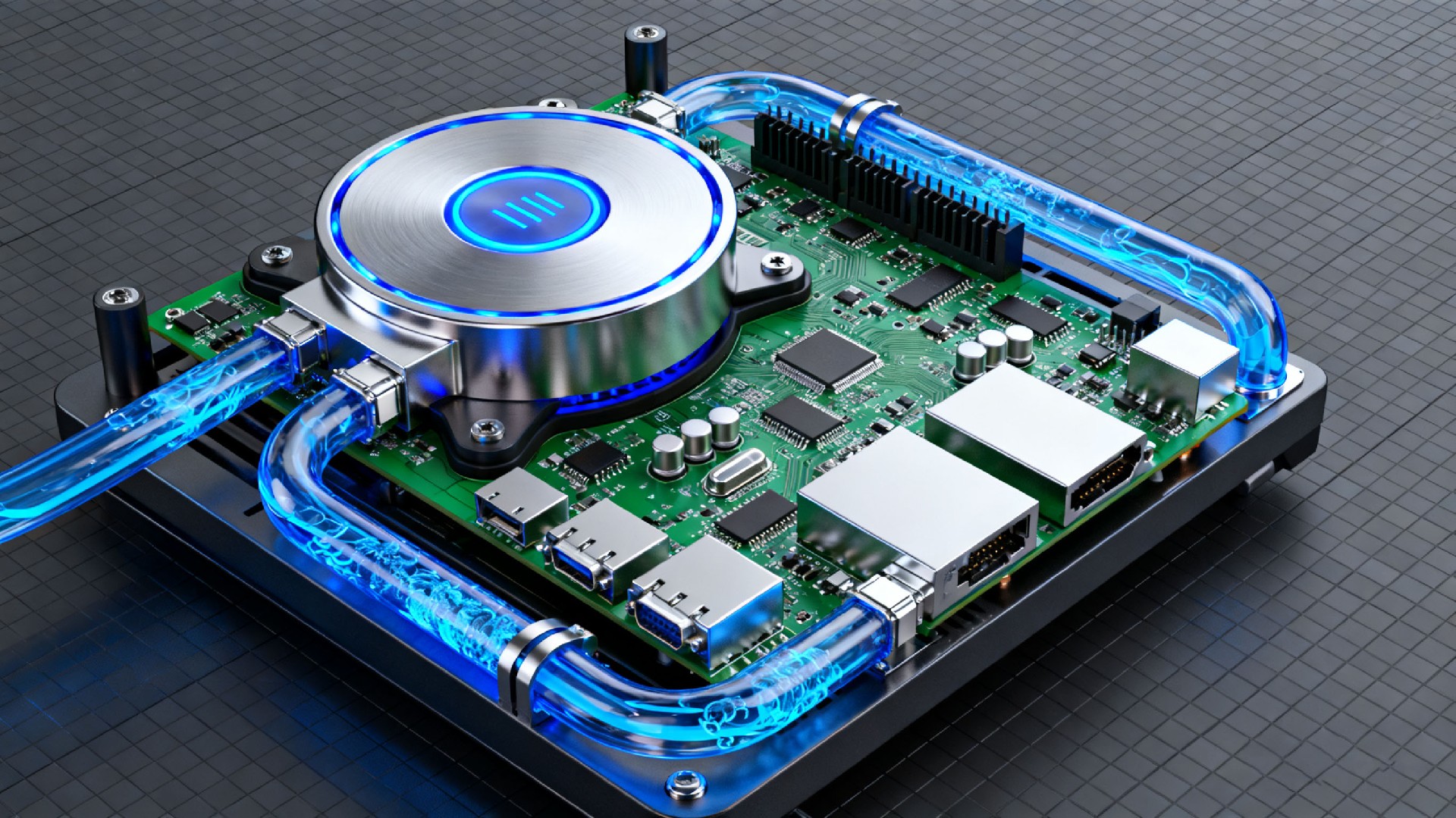
With the rapid development of technologies such as artificial intelligence and high-performance computing,the global demand for computing power has seen explosive growth.The rapid increase in chip power consumption has led to a heat dissipation bottleneck for traditional air cooling technology.Liquid cooling technology,as a core heat dissipation solution in high-power-density scenarios,is accelerating its upgrade from a"high-end option"to an"industry necessity"thanks to its advantages such as ultra-high heat dissipation efficiency and ultra-low energy consumption.Benefiting from the explosive growth of AI computing power,the advancement of the"East Data West Computing"project,and the development of the new energy vehicle industry,liquid cooling is rapidly moving from a cutting-edge technology to the center stage of central applications.
Liquid cooling technology uses liquid as the heat transfer medium and removes the heat from the heat source through circulating heat exchange.Its core advantages are significant:
The heat dissipation efficiency is over 1,000 times that of air,supporting 100kW+ultra-high density calculation for a single cabinet.
The power usage effectiveness(PUE)is as low as 1.03-1.1,significantly reducing energy consumption compared to traditional air cooling(1.3-1.5).
The noise is controlled below 45dB,the equipment lifespan is extended by more than 30%,and the operation and maintenance costs are significantly reduced.
The demand for computing power has soared:The power consumption of new-generation Gpus such as NVIDIA GB300 has reached over 700W,and traditional air cooling cannot meet the heat dissipation requirements.
The policy orientation is clear:The"East Data West Computing"project requires that the PUE of newly built data centers be≤1.2,and liquid cooling has become the preferred choice for compliance.
Driven by the dual carbon goals:The demand for energy conservation and consumption reduction in fields such as data centers and new energy vehicles continues to rise.
Principle:The metal cold plate is closely attached to the heat source,and the coolant circulates within the plate to absorb heat
Advantages:Simple system,good compatibility,convenient maintenance,and moderate cost
Applicable scenarios:Data center servers,thermal management of new energy vehicle batteries
Principle:The heat source is fully immersed in the insulating coolant and dissipates heat through convection or phase change
Advantages:It has the highest heat dissipation efficiency,with a PUE as low as 1.03 and a 40%increase in space utilization
Applicable scenarios:AI training clusters,high-performance computing centers
Principle:The nozzle precisely sprays the coolant onto the surface of the chip,absorbs heat and then flows back
Advantages:On-demand cooling,50%less liquid usage than immersion type,suitable for mixed heat dissipation scenarios
Applicable scenarios:Local high heat density areas,specific AI acceleration cards
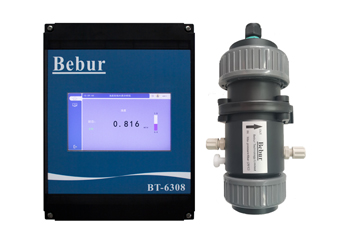
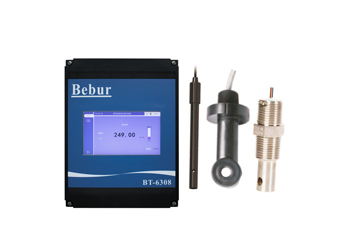
Water quality indicators:conductivity,pH value,dissolved oxygen,turbidity,etc.
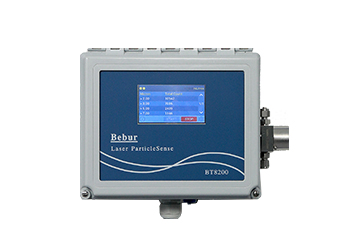
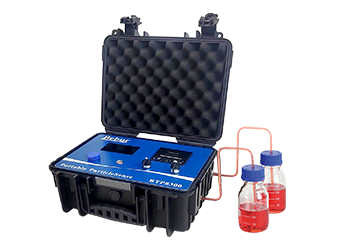
Cleanliness index:Particle contamination(ISO 16232 standard)
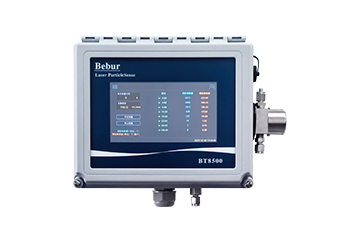
Online real-time monitoring:24-hour early warning through water quality testing instruments and cleanliness testing equipment,etc.
Bebur,a provider of water quality and cleanliness testing solutions for the liquid cooling industry!

Tel:+86-18001379750

E-mail:sales@bebur.net

Whatsapp:+86-18518487185

Skype:+86-18518487185



 中文简体
中文简体 English